Commercial solar that pencils out on paper and on the roof
From a 40 kW dental office to a 600 kW cold storage facility, we engineer systems that cut demand charges and meet your finance committee's numbers.
Overview
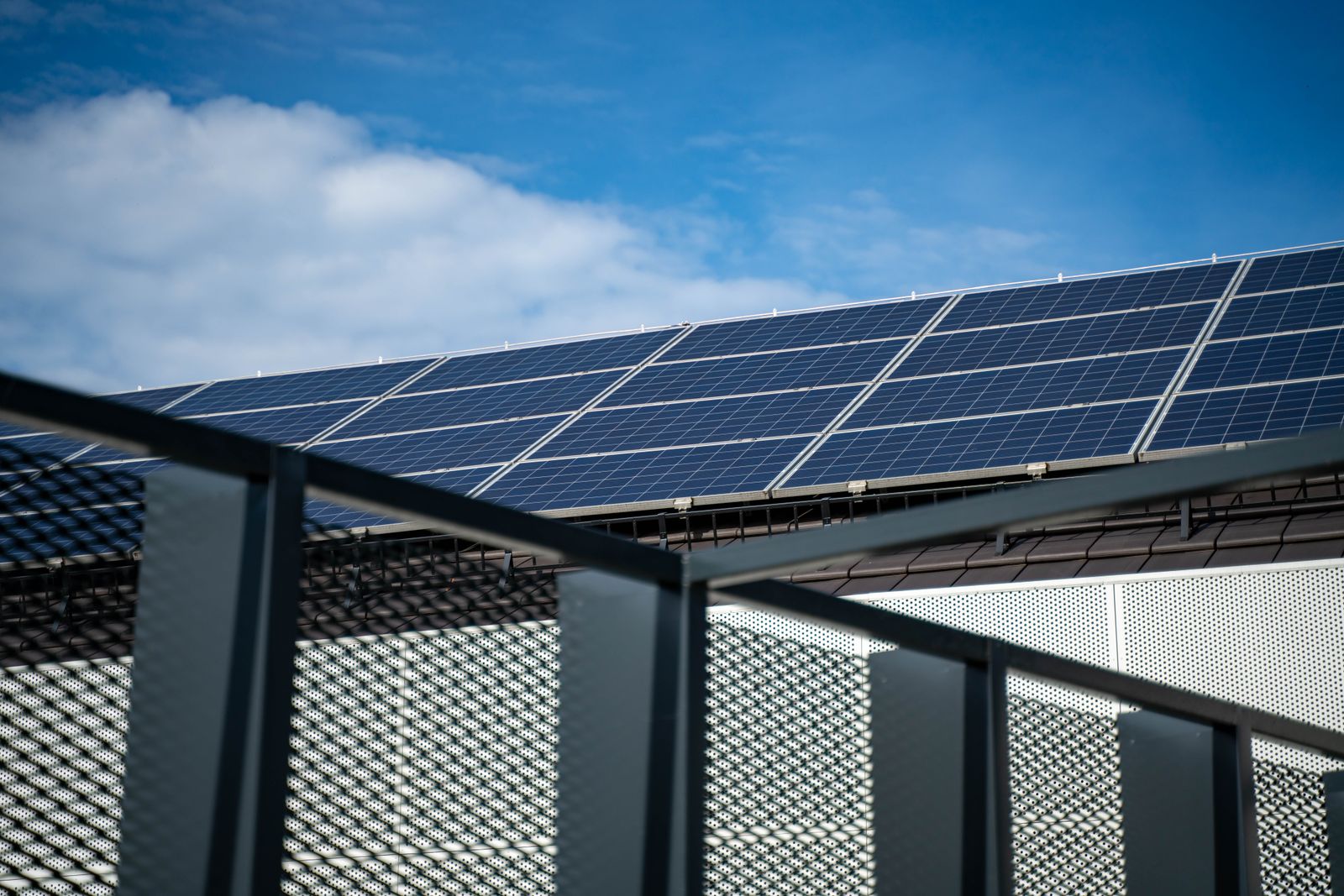
Commercial electricity bills in the Central Valley are shaped by time-of-use energy charges and demand charges that can make up 30 to 50 percent of the total. A well-designed commercial system, sometimes paired with storage for peak shaving, attacks both.
We handle structural engineering, fire department access pathways, utility interconnection studies and, where it helps, carport structures that add shade for staff and customers. Our commercial team has delivered over 140 systems from Merced to Bakersfield.
Businesses may also benefit from federal commercial tax credits and accelerated depreciation. We coordinate with your CPA and provide the documentation they need; we do not give tax advice.
- Load profile and demand charge analysis
- Structural and electrical engineering stamps
- Rooftop, carport or ground-mount design
What's included
Everything below is part of a standard Brightpath commercial solar project, with no surprise line items.
- Load profile and demand charge analysis
- Structural and electrical engineering stamps
- Rooftop, carport or ground-mount design
- Utility interconnection and any required studies
- Fire code setbacks and access planning
- Commercial-grade inverters and monitoring
- Tax and depreciation documentation package
- Optional operations and maintenance agreement
How the project runs
One project manager from first visit to the day your system switches on.
Feasibility review
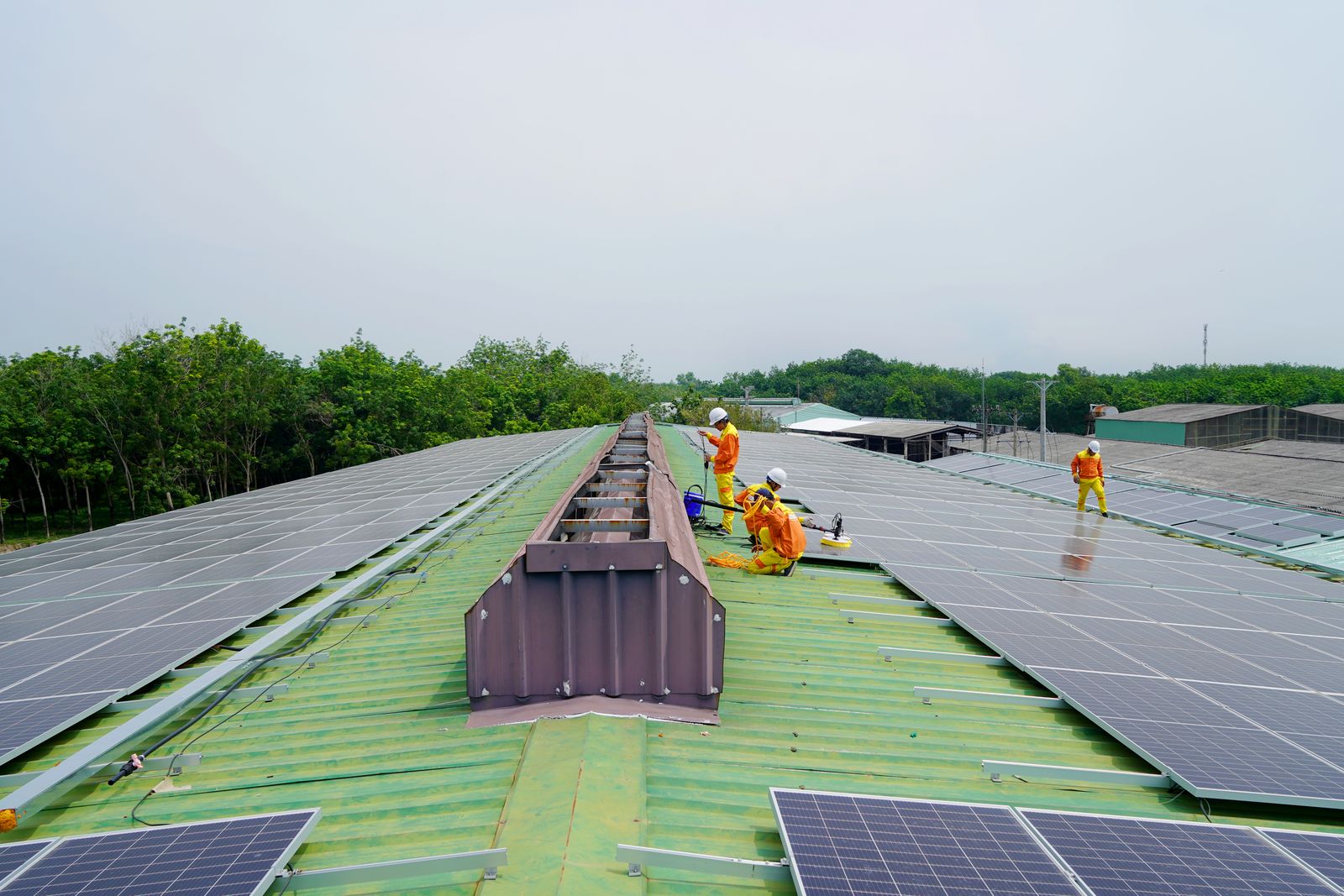
We analyze 12 months of interval data and your site plan to size a system and model returns.
Engineering and proposal
Stamped designs, a production model and a financial summary for ownership, lease or PPA.
Permits and interconnection
We manage building permits and the utility application, including Rule 21 studies when required.
Construction
Scheduled around your operations, with a site safety plan and a single point of contact.
Commissioning
Testing, utility approval and a dashboard handoff for your facilities team.
Why it's worth it
Cut demand charges
Solar plus storage can trim the monthly peaks that drive commercial bills.
Predictable operating costs
Fix a share of energy spend for 25 years or more.
Shade that works
Carport arrays protect vehicles and customers from 105-degree afternoons.
Visible sustainability
Real, measured emissions reductions for ESG reporting and customers.
What affects the price
Starting at $1.90/W for rooftop (sample). Your proposal breaks down every factor below.
| Factor | Why it matters | Sample range |
|---|---|---|
| Mounting type | Rooftop is lowest cost; carports add steel | $1.90 - $3.60/W |
| Roof condition | Older membranes may need replacement first | Varies |
| Interconnection | Larger systems may need utility upgrades | $0 - $60,000+ |
| Storage for peak shaving | Sized to your demand profile | Optional |
Swipe to see the full table
All prices are illustrative samples for the Fresno area and are not a quote. Incentives are not included; consult a tax professional about credits.
Kingsburg
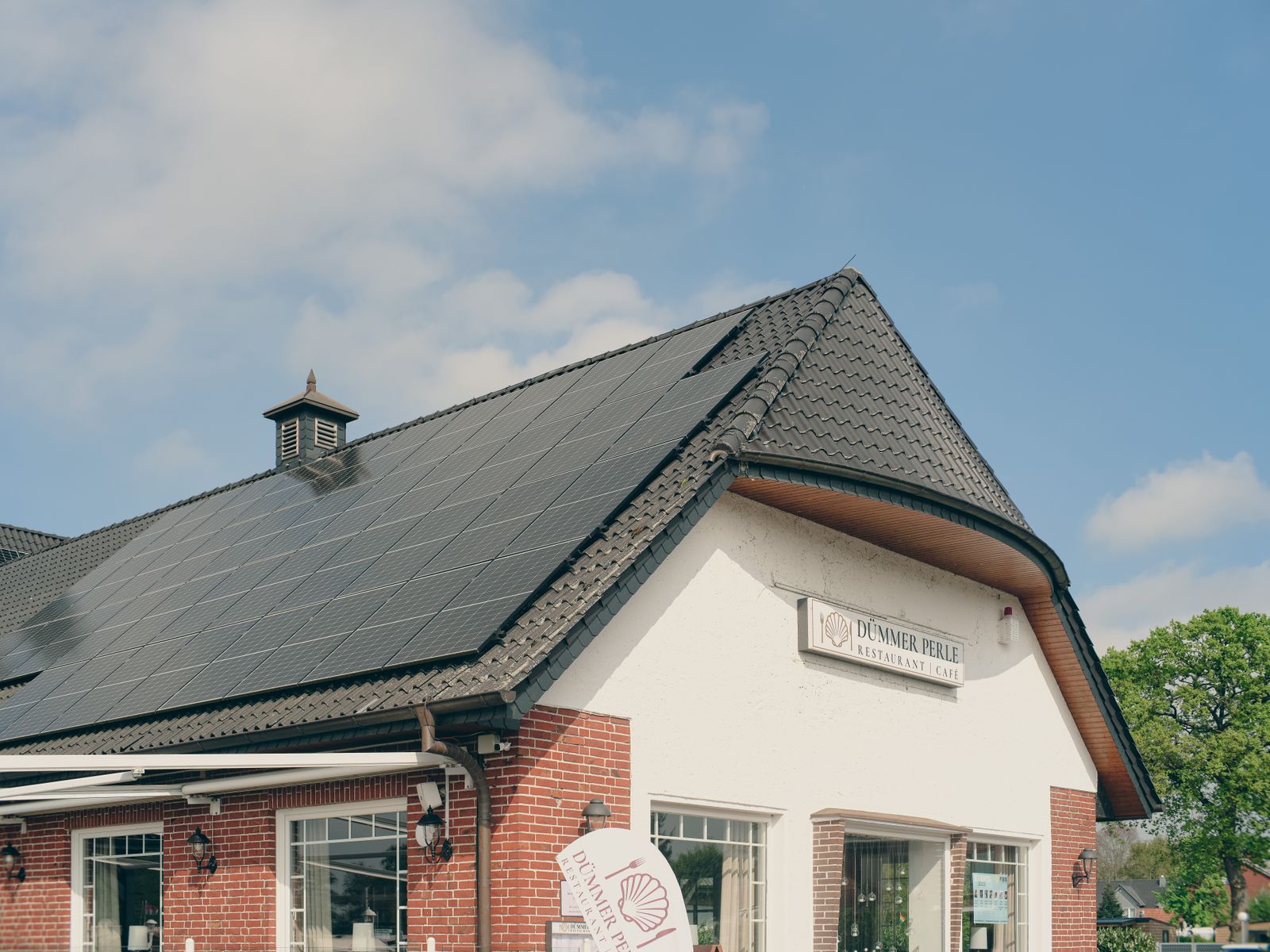
Packing shed rooftop and carport in Kingsburg
A stone fruit packer with cold storage running 18 hours a day during season.
- 412 kWSystem size
- 38Carport stalls
- 71%Energy offset
- 5.1 yrsSample payback
Related solutions

Solar farms
Ground-mount arrays for growers, dairies and ranches that power pumps, cold storage and shops.
Learn more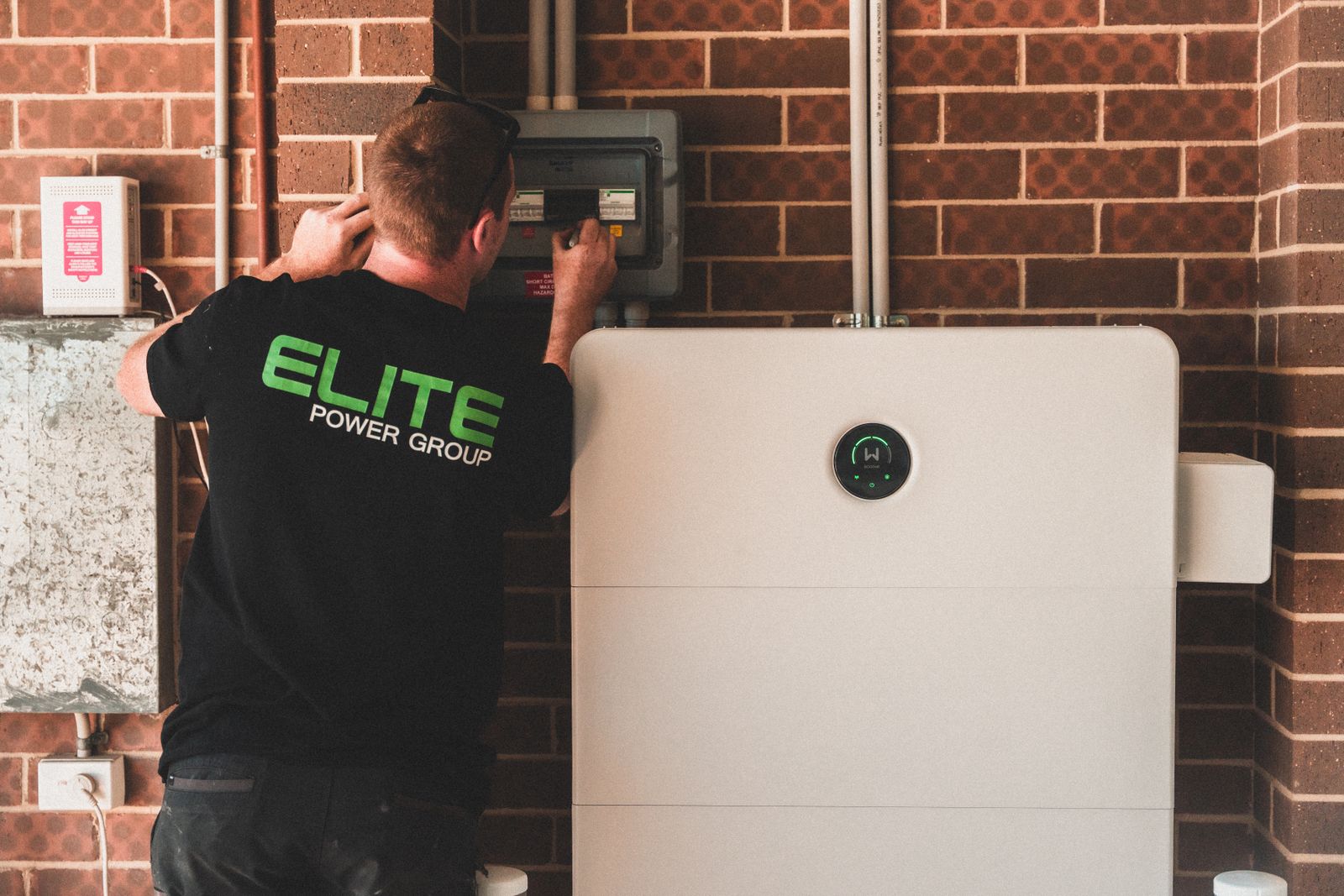
Battery storage
Store afternoon sunshine for the 4 to 9 pm peak and keep essentials running in outages.
Learn more
Monitoring & maintenance
24/7 production monitoring, panel cleaning and repairs for systems we installed or inherited.
Learn more
Commercial solar FAQ
Have a question we did not cover? Call (559) 555-0161.
Solar alone helps modestly because demand peaks can occur when the sun is weak. Pairing with battery storage and smart controls is the most reliable way to shave demand peaks.
Yes. Through financing partners we can offer a power purchase agreement with no upfront cost, where you pay a fixed rate per kWh produced.
Most rooftop work happens without interrupting operations. Electrical tie-ins usually require a short, scheduled shutdown that we plan with you, often on a weekend.