Battery storage for peak hours and PSPS outages
Under California's current solar rules, storing your own power is often worth more than sending it to the grid. A battery also keeps your fridge, Wi-Fi and well pump going when the lights go out.
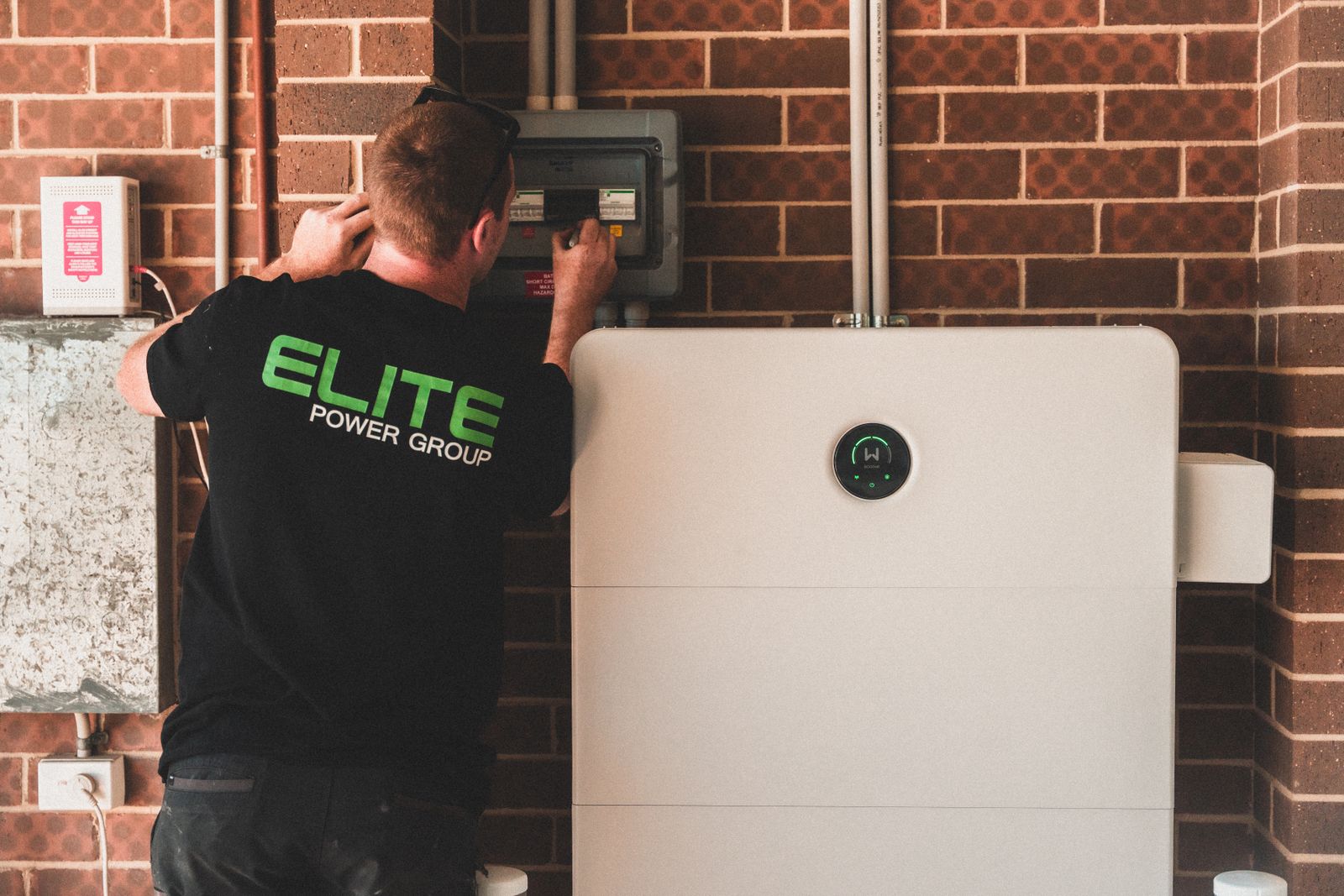
Overview
Public Safety Power Shutoffs and summer heat storms have made backup power a real concern in foothill communities from Prather to Coarsegold. A home battery charged by your solar array can carry critical loads for a day or more, and recharge the next morning.
The financial case has grown too. With exports credited at lower rates, a battery lets you save midday production and use it during the expensive evening window. Many of our 2025 and 2026 customers added storage for that reason alone.
We install leading lithium iron phosphate batteries, design backup panels around what matters to you, and set up the software so the battery automatically prioritizes savings or backup.
- Critical load assessment
- LFP battery with integrated inverter
- Backup or whole-home gateway
What's included
Everything below is part of a standard Brightpath battery storage project, with no surprise line items.
- Critical load assessment
- LFP battery with integrated inverter
- Backup or whole-home gateway
- Dedicated essentials sub-panel if needed
- Time-of-use and backup reserve programming
- SGIP rebate application help where available
- Permits and utility paperwork
- App setup and outage walkthrough
How the project runs
One project manager from first visit to the day your system switches on.
Load review
We list which circuits you need during an outage and estimate how long the battery can carry them.
Design
Choose partial or whole-home backup, battery count and placement in garage or on an exterior wall.
Permits
Fire code clearances, permits and utility notification handled by our team.
Install and commissioning
One-day install, then we test an actual grid disconnect with you present.
Why it's worth it
Backup during outages
Automatic switchover in milliseconds for your chosen circuits.
Beat peak pricing
Use stored solar from 4 to 9 pm instead of buying at the highest rates.
Protect medical and well equipment
Keep oxygen concentrators, fridges and pumps running.
Works with existing solar
Retrofit to most systems installed in the last decade.
What affects the price
Starting at $12,400 per 13.5 kWh installed (sample). Your proposal breaks down every factor below.
| Factor | Why it matters | Sample range |
|---|---|---|
| Capacity | One battery vs. stacked units | 10 - 40 kWh |
| Backup scope | Essentials panel vs. whole home | +$0 - $2,900 |
| Location | Garage wall vs. exterior with bollards | Varies |
| Existing solar | AC-coupled retrofit or new DC-coupled system | Varies |
Swipe to see the full table
All prices are illustrative samples for the Fresno area and are not a quote. Incentives are not included; consult a tax professional about credits.
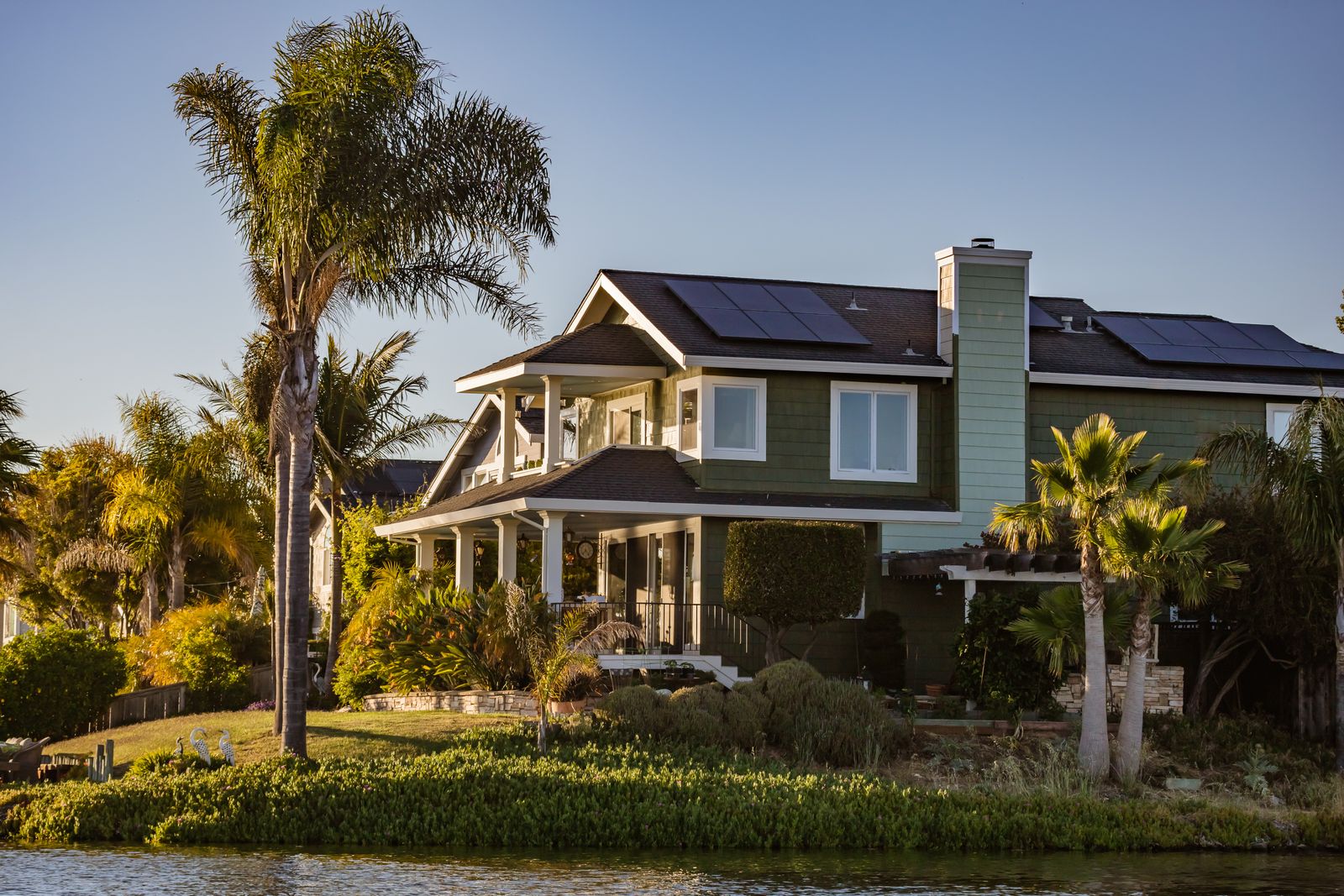
Fig Garden, Fresno
Tile roof solar plus backup in Fig Garden
A 1960s ranch home with a concrete tile roof, a 100 A panel and a medical device that needed backup power.
- 8.4 kWSystem size
- 13.5 kWhBattery
- 86%Bill reduction
- 7.8 yrsSample payback
Related solutions
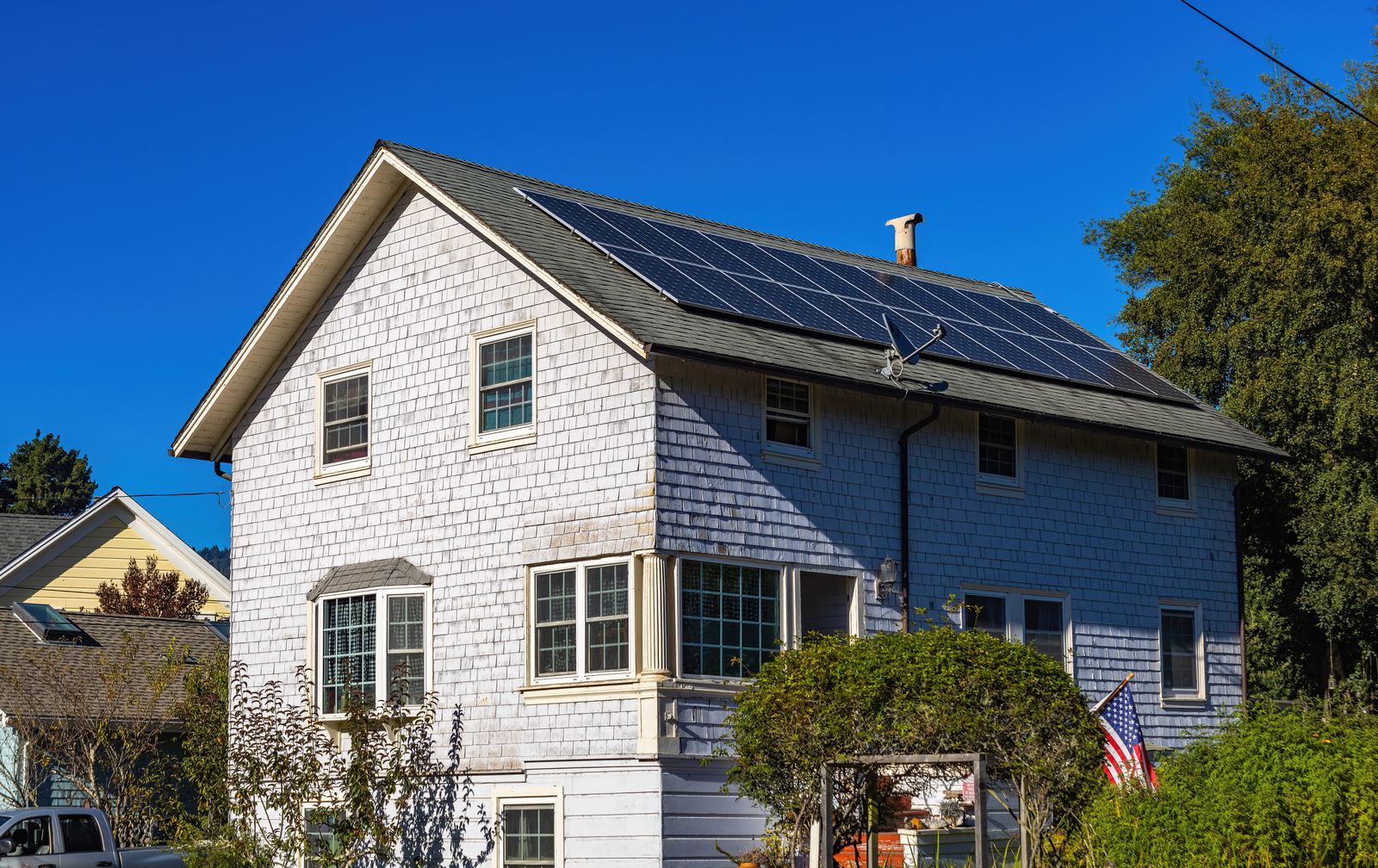
Residential solar
Rooftop systems designed around your actual PG&E or SCE usage, not a one-size package.
Learn more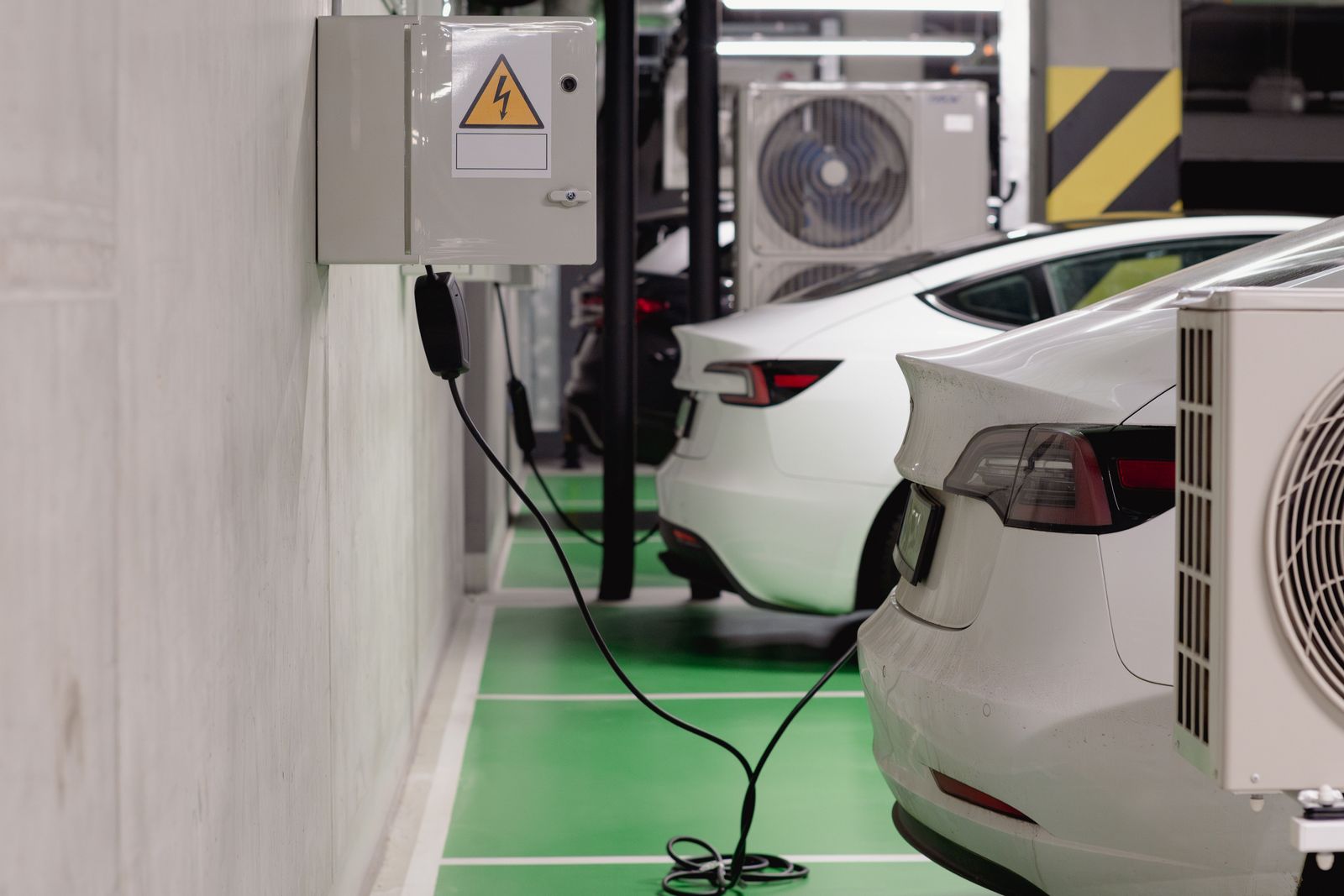
EV chargers
Level 2 home and workplace chargers, wired right and timed to run on solar or off-peak power.
Learn more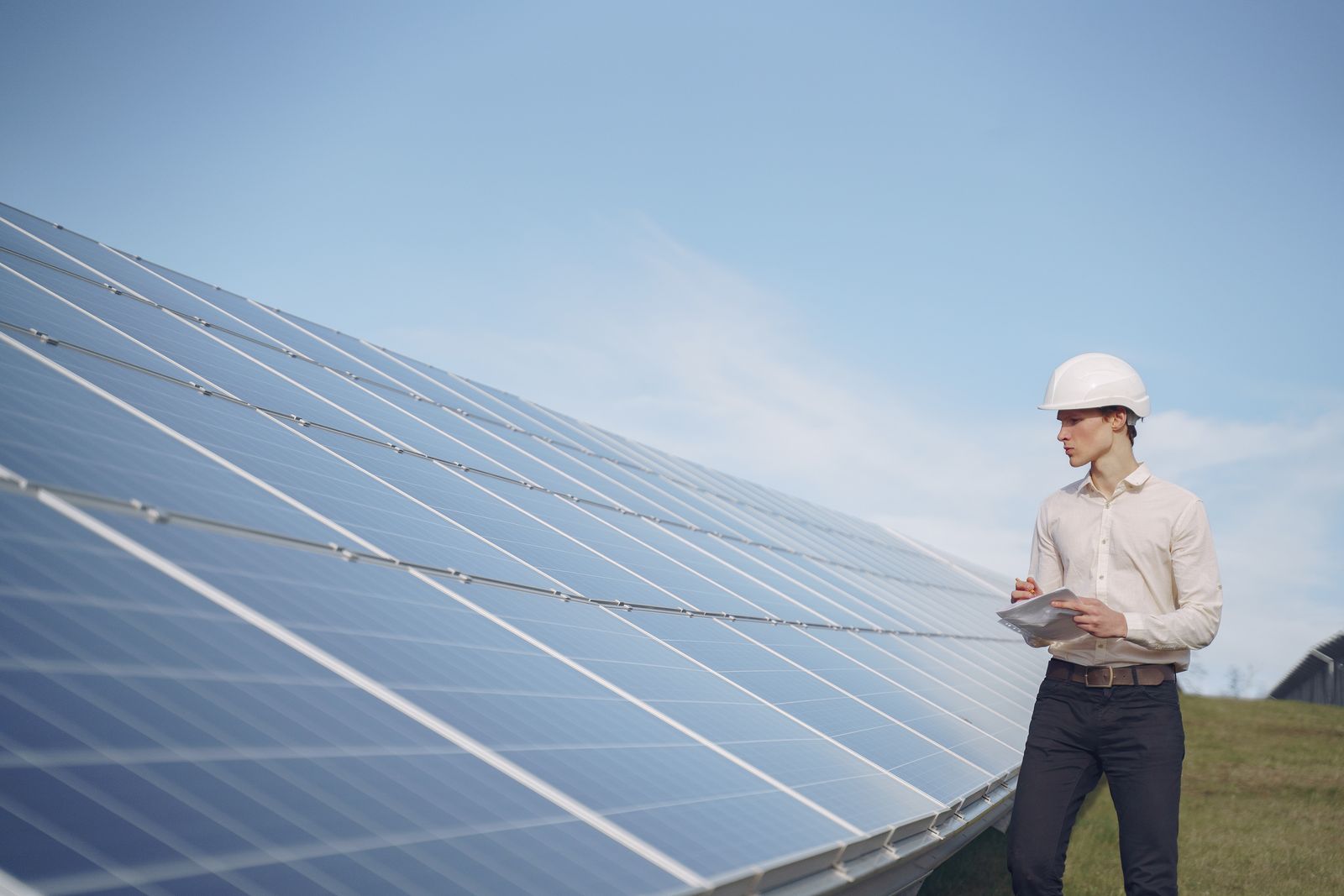
Monitoring & maintenance
24/7 production monitoring, panel cleaning and repairs for systems we installed or inherited.
Learn more
Battery storage FAQ
Have a question we did not cover? Call (559) 555-0161.
In most cases, yes. We retrofit AC-coupled batteries to systems from other installers too, after checking inverter compatibility and your main panel.
It depends on what you run. Essentials like a fridge, lights, Wi-Fi and a gas furnace fan can run 24 hours or more on one 13.5 kWh battery. Central air conditioning uses far more.
California's Self-Generation Incentive Program (SGIP) has offered battery rebates, especially for medically vulnerable households and high fire-threat areas. Funding changes often, so we check current availability for you.