Ground-mount solar for Valley farms and ranches
Irrigation pumps, cold storage and processing lines make agricultural power bills some of the largest in California. We build ground-mount arrays on non-productive land to cut them.
Overview
Agricultural customers often run several meters across a property, from well pumps to shop buildings. Aggregation rules can let one array offset multiple meters on contiguous parcels, which changes how a project should be designed.
We work with growers on almonds, pistachios, citrus, grapes and dairy operations. Arrays are placed on corners, field edges or unfarmable ground, with fencing, weed control and equipment access planned from day one.
We also design single-axis tracker systems, which follow the sun and produce more power per acre, and provide ongoing vegetation and panel cleaning service during dusty harvest months.
- Multi-meter usage and aggregation analysis
- Geotechnical and site civil review
- Fixed-tilt or tracker racking design
What's included
Everything below is part of a standard Brightpath solar farms project, with no surprise line items.
- Multi-meter usage and aggregation analysis
- Geotechnical and site civil review
- Fixed-tilt or tracker racking design
- Security fencing and access roads
- Trenching, switchgear and interconnection
- Grant and program research support
- Dust and vegetation maintenance options
How the project runs
One project manager from first visit to the day your system switches on.
Farm energy review
We map meters, pumps and seasonal loads across your operation.
Site selection
Choose land that minimizes crop impact and trenching distance.
Engineering and permits
County planning, geotech, stamped drawings and interconnection.
Build
Pile driving, racking, modules and electrical, scheduled around harvest.
Operate
Monitoring, cleaning and vegetation management plans.
Why it's worth it
Offset pumping costs
Target the largest line items on seasonal ag bills.
Use idle land
Earn value from corners and ground that does not farm well.
More power per acre
Trackers can add roughly 15 to 25 percent annual production.
What affects the price
Starting at $1.55/W fixed tilt (sample). Your proposal breaks down every factor below.
| Factor | Why it matters | Sample range |
|---|---|---|
| Racking | Fixed tilt vs. single-axis tracker | $1.55 - $2.10/W |
| Trenching distance | Distance from array to point of interconnection | Varies |
| Soil and grading | Rocky or expansive soils affect piles | Varies |
Swipe to see the full table
All prices are illustrative samples for the Fresno area and are not a quote. Incentives are not included; consult a tax professional about credits.
Near Hanford
A 1.1 MW solar farm for a Kings County dairy
A third-generation dairy running milking, cooling and irrigation pumps across seven meters.
- 1.1 MWSystem size
- 7Meters offset
- 5.2 acresLand used
- 5.8 yrsSample payback
Related solutions
Commercial solar
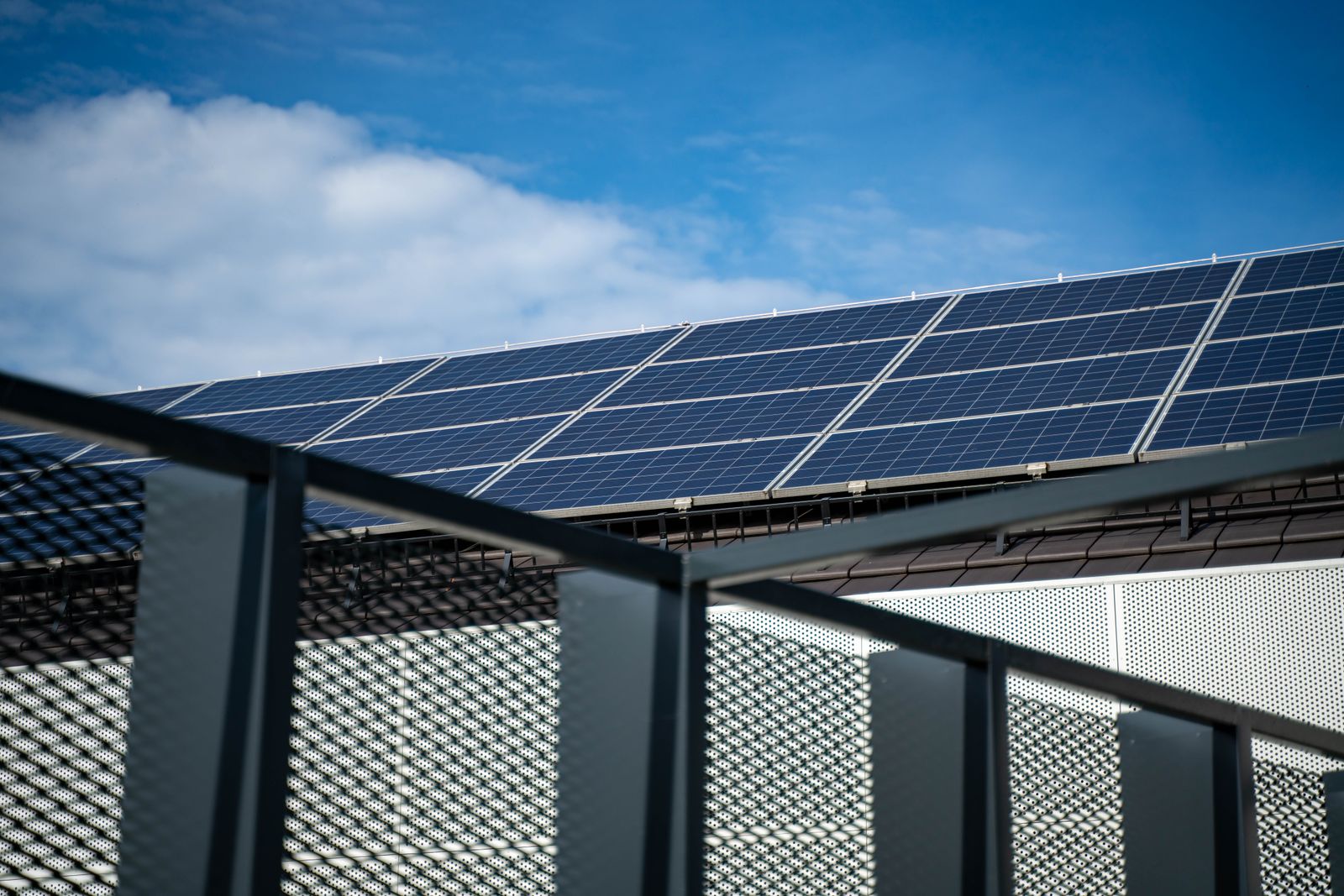
Rooftop, carport and ground-mount systems for offices, packing sheds, wineries and retail.
Learn more
Monitoring & maintenance
24/7 production monitoring, panel cleaning and repairs for systems we installed or inherited.
Learn more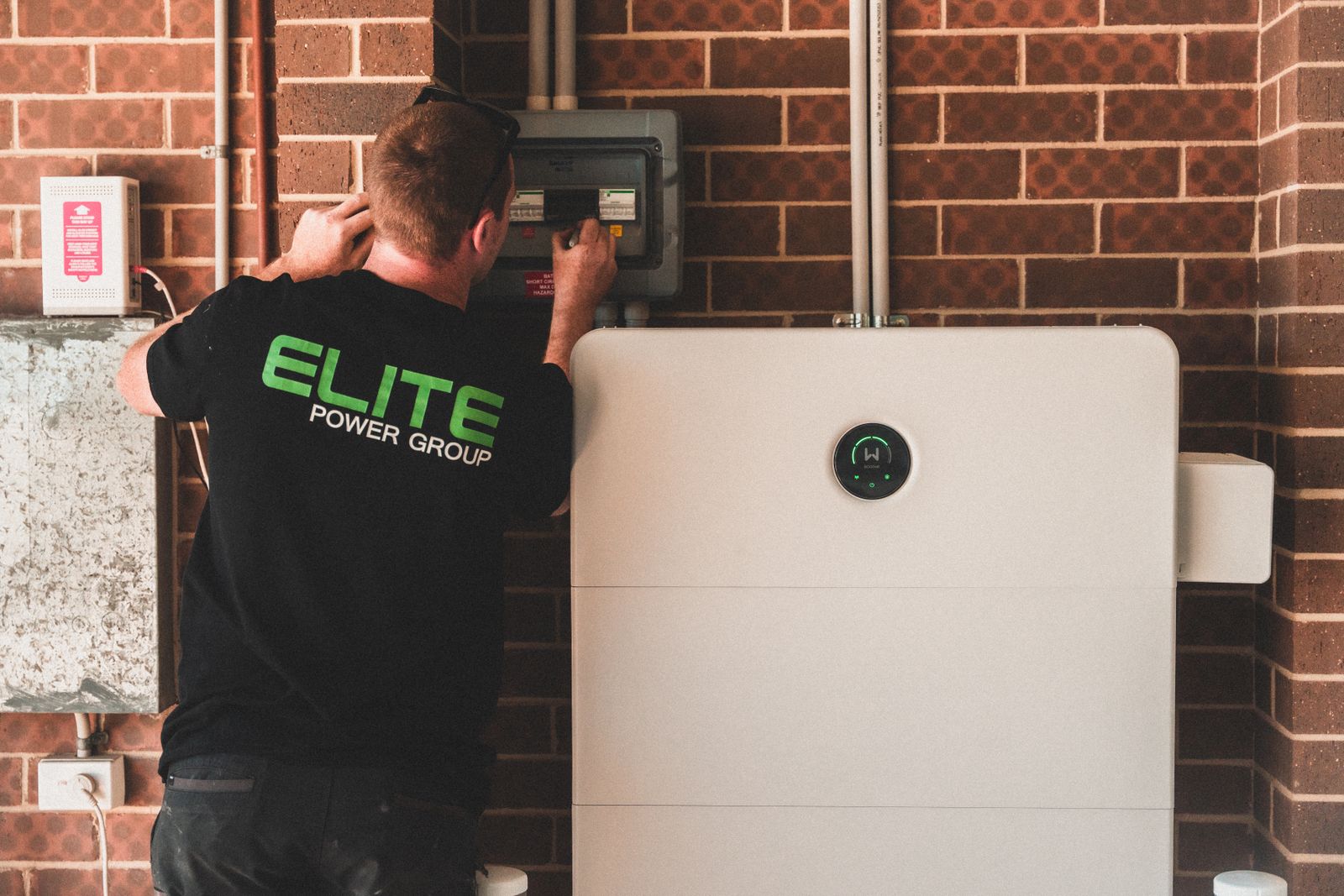
Battery storage
Store afternoon sunshine for the 4 to 9 pm peak and keep essentials running in outages.
Learn more
Solar farms FAQ
Have a question we did not cover? Call (559) 555-0161.
California's aggregation rules can allow one generating system to offset multiple eligible meters on the same or adjacent parcels. We analyze your meters to see what qualifies.
Plan on roughly 4 to 6 acres per megawatt for fixed-tilt systems, depending on spacing and setbacks.
Dust can cut production noticeably in late summer. We offer scheduled cleanings timed after harvest and monitor output so you can see the difference.