The end of the story, written down before you sign the start of it
Reroof lifts, component lifespans, what a module is actually made of and where each part goes. Most solar companies will not discuss this. It is the part that outlasts them.
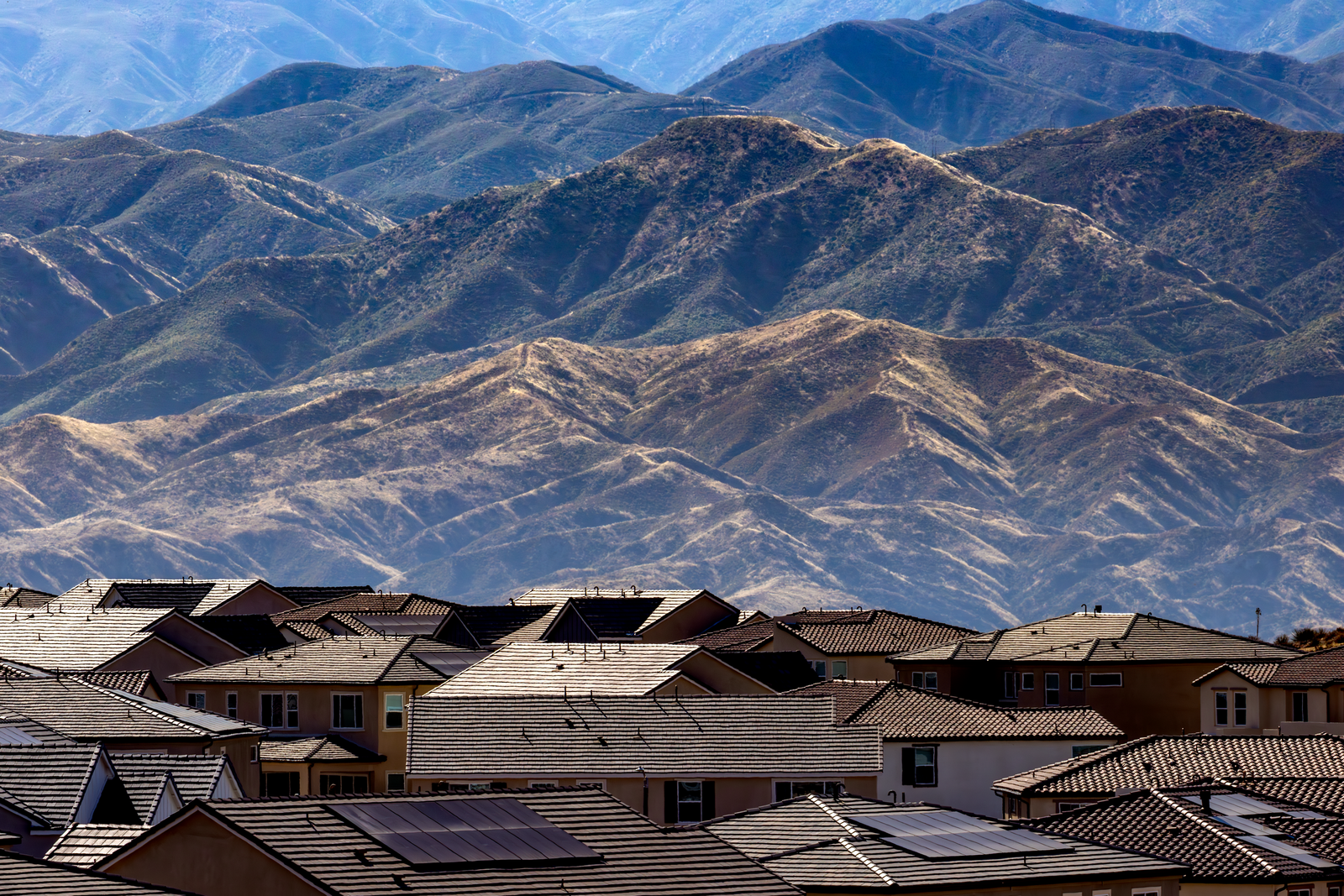
Nothing on your roof has one lifespan
Modules outlive inverters by a factor of two, and batteries are warranted on throughput rather than years. Planning for one number is how owners get surprised.
| Component | Useful life | What happens then |
|---|---|---|
| Modules | 25 to 30 years of useful output | Most are still making 80 to 88 percent of nameplate at year 25. Replacement is usually an economic choice, not a failure. |
| String inverter | 10 to 15 years | Plan on one replacement during the system's life. Budget it the way you budget a water heater. |
| Microinverters | 20 to 25 years | Warranted close to module life, replaced individually when one fails rather than as a unit. |
| Lithium battery | 10 to 15 years, or a throughput limit in MWh | Warranted on whichever comes first, cycles or years. Retained usable kWh is the number to read, not the years. |
| Racking and flashings | Life of the roof | Anodised aluminium and stainless outlast the modules. Flashings are replaced whenever the array comes off. |
Swipe to see the full table
The reroof lift, step by step
Sooner or later the roof under the array wears out. Lifting and reinstalling a 7.8 kW DC system runs about $1,950 as a sample figure, and it is a planned job rather than an emergency.
Survey and photograph
Before a single module moves we photograph the layout, record serial numbers against roof positions and export the monitoring baseline. That is how the array goes back in the same place with the same string map.
Shut down in order
AC breaker, then inverter, then DC disconnect, then rapid shutdown at the module. A live DC circuit on a roof full of roofers is the hazard that matters most on a reroof.
Lift and pallet
Modules come off, get edge-protected and palletised on site. Racking is bagged by roof plane. Expect to replace 10 to 15 percent of mounting hardware and 100 percent of the flashings, which are never reused.
Roof goes on
Your roofer works a clear deck. This is the whole point: reroofing around an array costs more than lifting it and produces a worse roof.
Reinstall and recommission
New flashings, new lags on fresh framing marks, torque logged again. Then a full commissioning test: insulation resistance, string voltages, and a module-level check that every serial reports in.
Paperwork
Same system, same size, same inverter means no new interconnection application and no new permission to operate. Your AHJ may still want a reroof permit, and we pull it.
If your roof has under about eight years left, we will quote the reroof and the solar as one project. It costs less than doing them separately and you get a clean deck for the flashings. We would rather lose the month than lift your array in 2031.
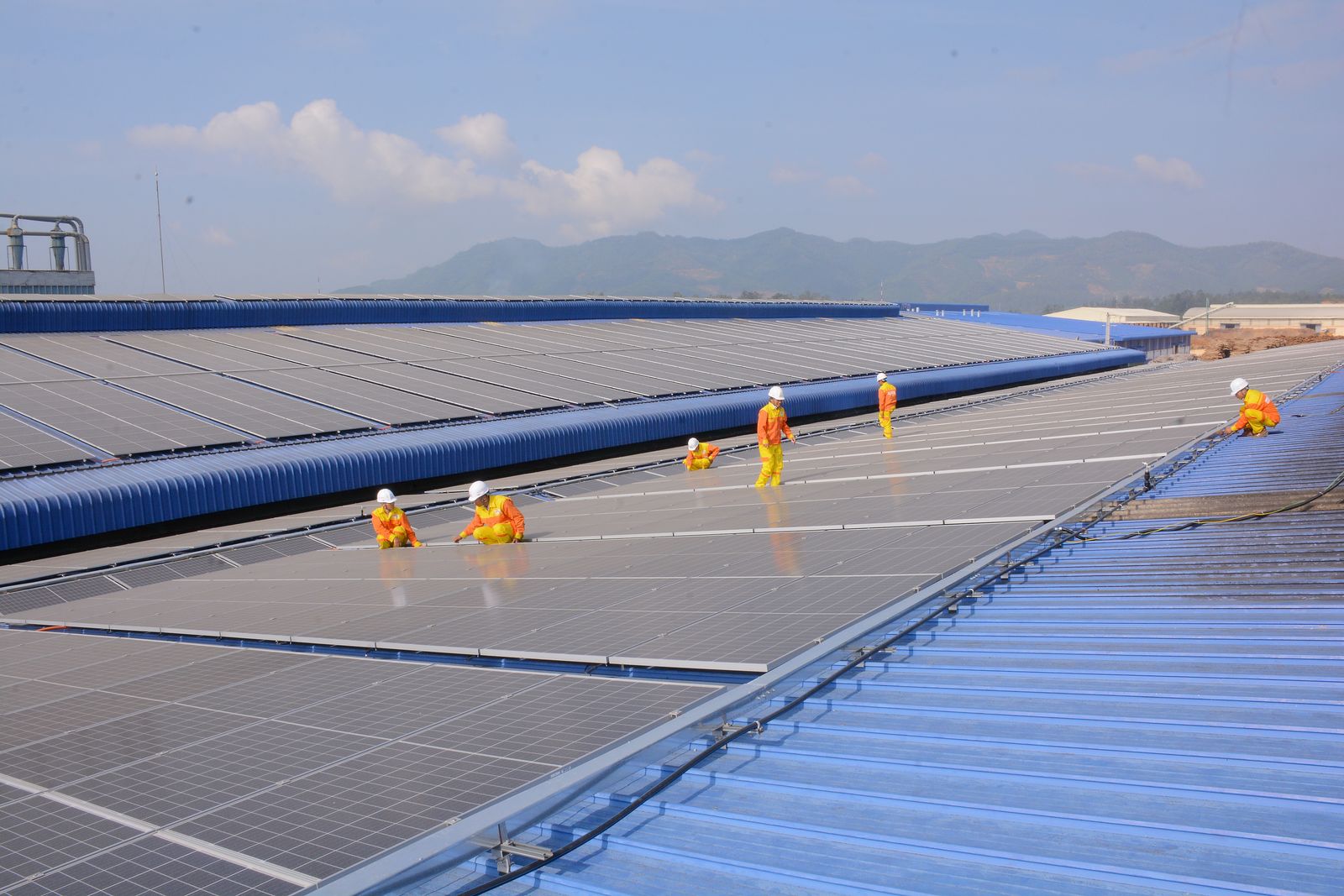
What a module is actually made of
Around 90 percent of a module by mass is glass and aluminium, both with established recycling routes. The valuable few percent is the part the industry is still learning to recover economically.
| Material | Share of mass | How it is recovered | Scrap value |
|---|---|---|---|
| Glass | Around 70% by mass | Mechanically crushed and recovered as cullet for insulation and container glass; not usually re-melted into new solar glass | Low value, high volume |
| Aluminium frame | 10 to 18% | Unbolted whole and sold as clean scrap. The single easiest part of the module to recycle. | Highest scrap value in the module |
| Polymer encapsulant and backsheet | 6 to 10% | Thermally or chemically separated; often burned for process heat rather than recovered as material | Cost centre, not revenue |
| Silicon cells | 3 to 4% | Recoverable as metallurgical-grade silicon; recovery to solar grade needs a chemical process and is still rare | Moderate |
| Copper ribbon and wiring | About 1% | Separated with the cell layer and sold as scrap copper | Moderate |
| Silver contacts | Roughly 0.05% | Leached from the cell layer. Tiny by mass, but often the difference between a recycler operating at a profit or a loss. | Highest value per kilogram |
Swipe to see the full table
Mass shares are typical for a framed monocrystalline module and vary by manufacturer. Recovery routes and their economics are changing quickly; we confirm the current handler and cost at the time of the job.
Decommissioning, in order
For a ground mount coming off ag land, or a rooftop system being retired rather than replaced.
- Notify the utility and close out the interconnection agreement so the meter goes back to a standard configuration.
- De-energise in sequence and verify zero volts at every combiner before anyone touches a conductor.
- Remove modules to pallets and keep them intact: a whole module is a recyclable asset, a cracked one is a waste-handling problem.
- Strip racking and conduit for clean aluminium, steel and copper scrap.
- Pull ground-mount piers and restore grade; on ag land we return the soil profile so the row can be farmed again.
- Hand over the disposal manifest. California handles end-of-life PV modules under its universal waste rules, so the paper trail matters as much as the haul. We confirm current requirements at the time of the job rather than quoting a rule that may have moved.
Planning a reroof over an existing array?
We lift and reinstall systems we did not install, including other companies' orphaned arrays. Send us photos of the inverter label and the roof.
End-of-life questions
Not if they are handled properly. Around 90 percent of a module by mass is glass and aluminium, both of which have established recycling routes. The harder question is economics, not chemistry: recovering the silicon and silver needs a chemical process, and the market for that is still maturing.
Budget around $28 per module hauled and processed in Central California as a sample figure, against roughly $3 to $6 of recoverable scrap value. Landfill is cheaper today, which is exactly why the rules are tightening.
Usually yes, and we will say so. A reroof lift on a 7.8 kW DC system runs about $1,950 as a sample figure. If your roof has under about eight years left, doing both together costs less than doing them five years apart.
No. An owned system transfers with the property. A leased or PPA system transfers only if the buyer qualifies and assumes the agreement, which is worth sorting out before the house is listed, not during escrow.
Lithium batteries are handled separately from modules and never go in general waste. The manufacturer's take-back programme is the usual route, and we arrange collection.