Valley dust, bird nests and your solar output
How much dirt really costs, when to clean, and the simple checks that catch problems before your bill does.
 Marcus OyelaranDirector of Installations · May 12, 2026 · 6 min read
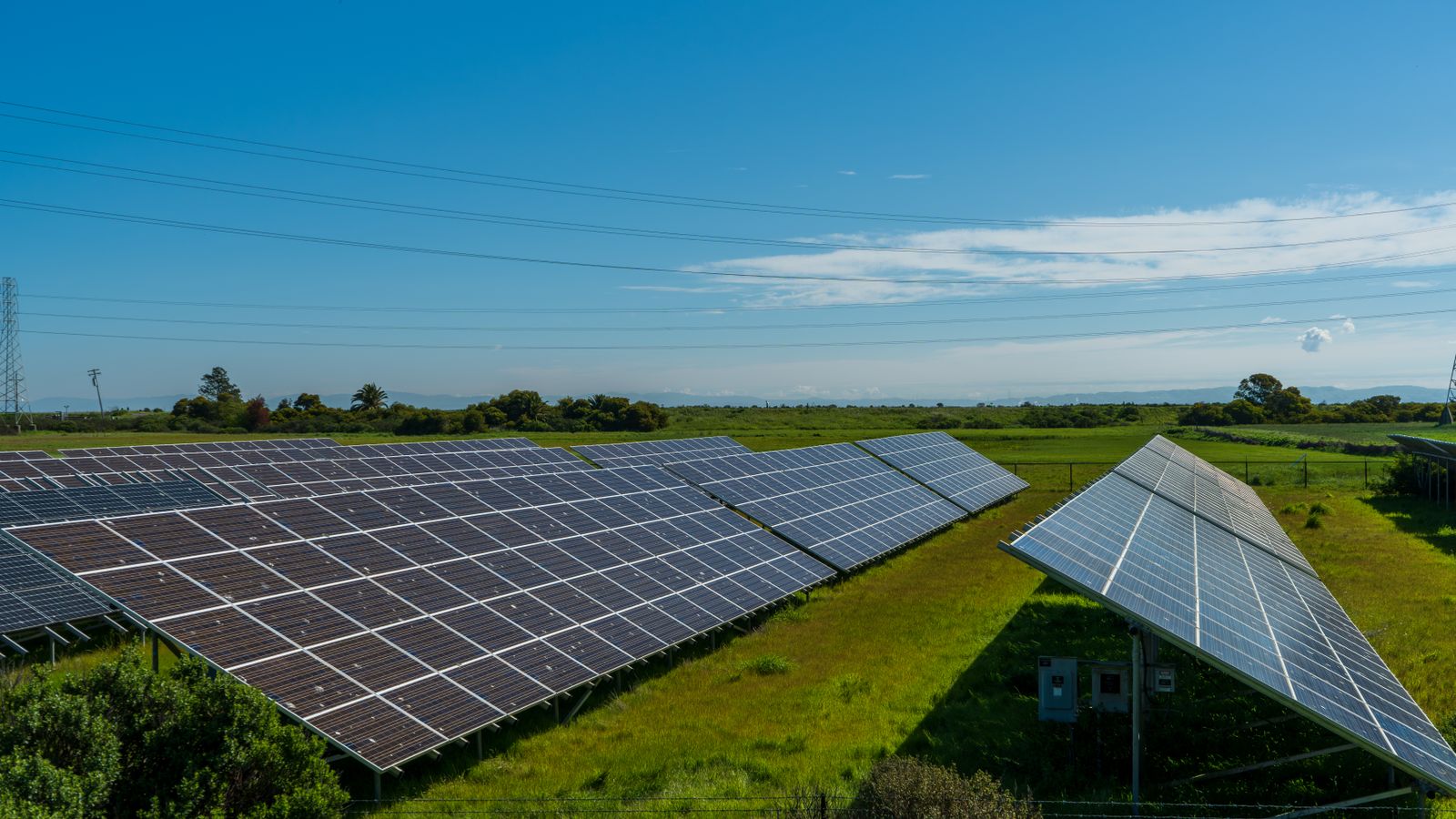
Solar panels have no moving parts and need very little care. But the San Joaquin Valley is not a typical environment. Harvest dust, dry summers with almost no rain, wildfire ash and pigeons that love the shade under arrays all affect how much power a system produces.
Here is what our service team sees on thousands of Valley rooftops, and what you can do about it.
How much does dust really cost?
It varies widely. Homes in town with some spring rain may lose only a few percent. Homes next to orchards, dairies or dirt roads can lose considerably more by late summer, after months without rain and during harvest when fine dust hangs in the air.
The only reliable way to know is to compare production against weather-adjusted expectations. Our monitoring team does this automatically, but you can get a rough idea by checking your app's production on a clear day before and after a cleaning.
When to clean
For most Fresno and Clovis homes, one professional cleaning in late summer or early fall is enough. Properties near agricultural operations may benefit from a second cleaning after harvest. After a significant ash event from wildfires, a cleaning can restore output quickly.
Winter rain usually rinses panels well enough on its own, so we rarely recommend cleaning between December and March.
Please do not climb up there
Every year we hear from homeowners who fell or damaged panels while cleaning. Roofs get hot, panels are slippery when wet and garden hoses with hard water can leave mineral spots. Pressure washers and abrasive brushes can damage anti-reflective coatings and may void warranties.
Professional crews use fall protection, soft brushes and purified water that dries without spotting.
Birds and critters
Pigeons nest under panels because the space is shaded and protected. Nests trap debris, droppings corrode equipment and chewed wires are a real risk. Critter guards, a stainless mesh around the array perimeter, keep birds out without harming them and are one of the most requested service calls we get.
- Signs of nesting: cooing, feathers in gutters, debris sticking out from panel edges
- Best time to install guards: after nesting season, once birds leave
- Cleanup includes removing nests and sanitizing the area
Five checks you can do from the ground
You do not need a ladder to catch most problems.
- Open your monitoring app once a month and compare to the same month last year
- Look for any panels or microinverters showing zero or very low output
- Check the inverter for warning lights or error codes
- Look for sagging wires, loose conduit or missing critter guard sections
- Review your true-up statement for an unexpected jump in usage
When to call for service
Call if production drops more than about 10 percent year over year with similar weather, if a panel shows zero output, or if you see error codes. We service systems we did not install, including those whose original installer is no longer in business.
A little attention goes a long way in the Valley. Monitor monthly, clean once a year and keep birds out, and your system will keep producing for decades.
This article is general information with sample figures, not financial or tax advice.